HUMANITIES







 McKinnon Secondary College
YEAR 11 GEOGRAPHY FIELDWORK: INVESTIGATING TOURISM ON PHILLIP ISLAND
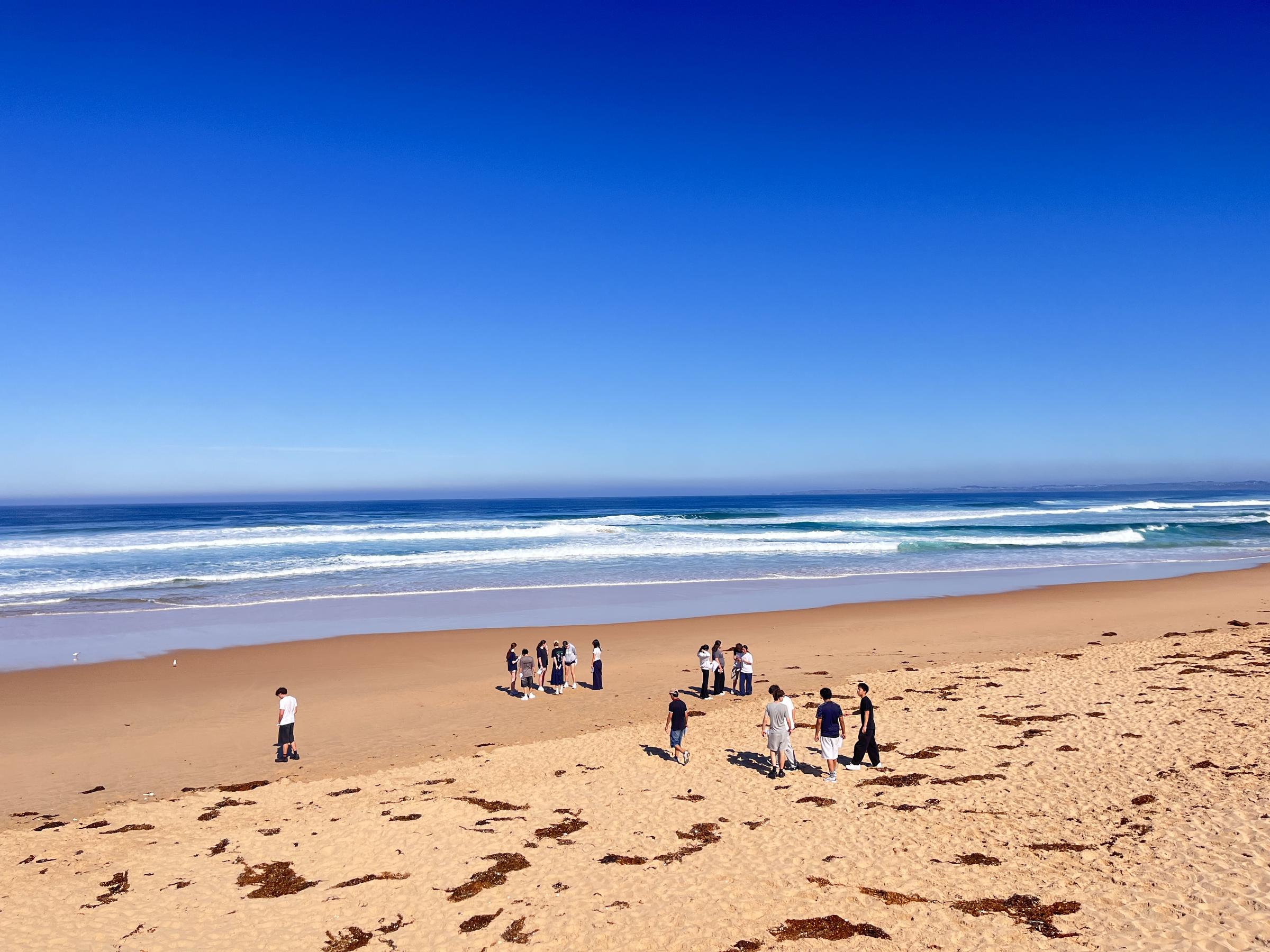
This term, our Year 11 Geography students participated in an overnight fieldwork excursion to Phillip Island to investigate the environmental, economic, and social impacts of tourism. The trip served as a key component of their senior curriculum and stood out as a genuine highlight of the semester for the cohort.
Throughout the excursion, students collected primary data across several major tourist hubs. A particular highlight was visiting the Koala Conservation Reserve and witnessing the evening Penguin Parade at Summerlands, where students observed wildlife management strategies and visitor infrastructure firsthand.
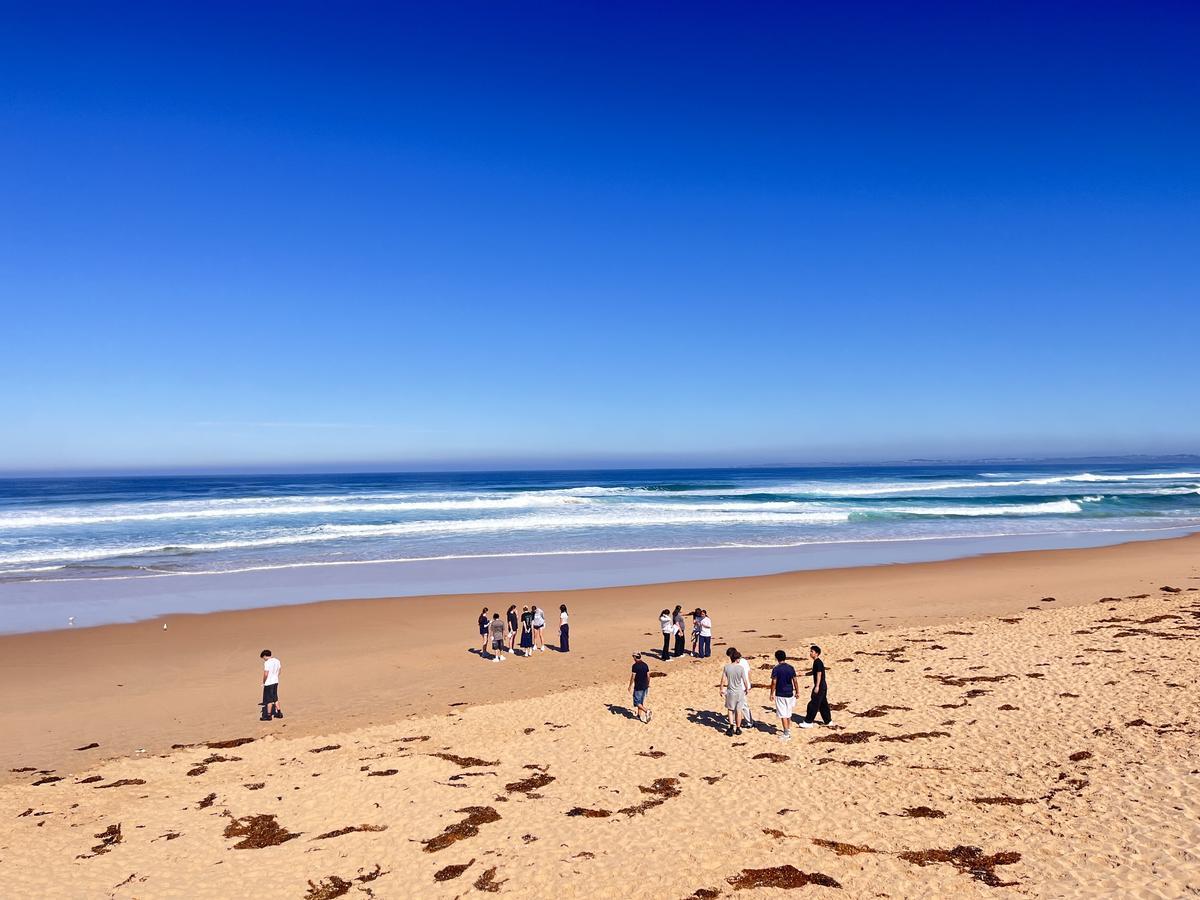
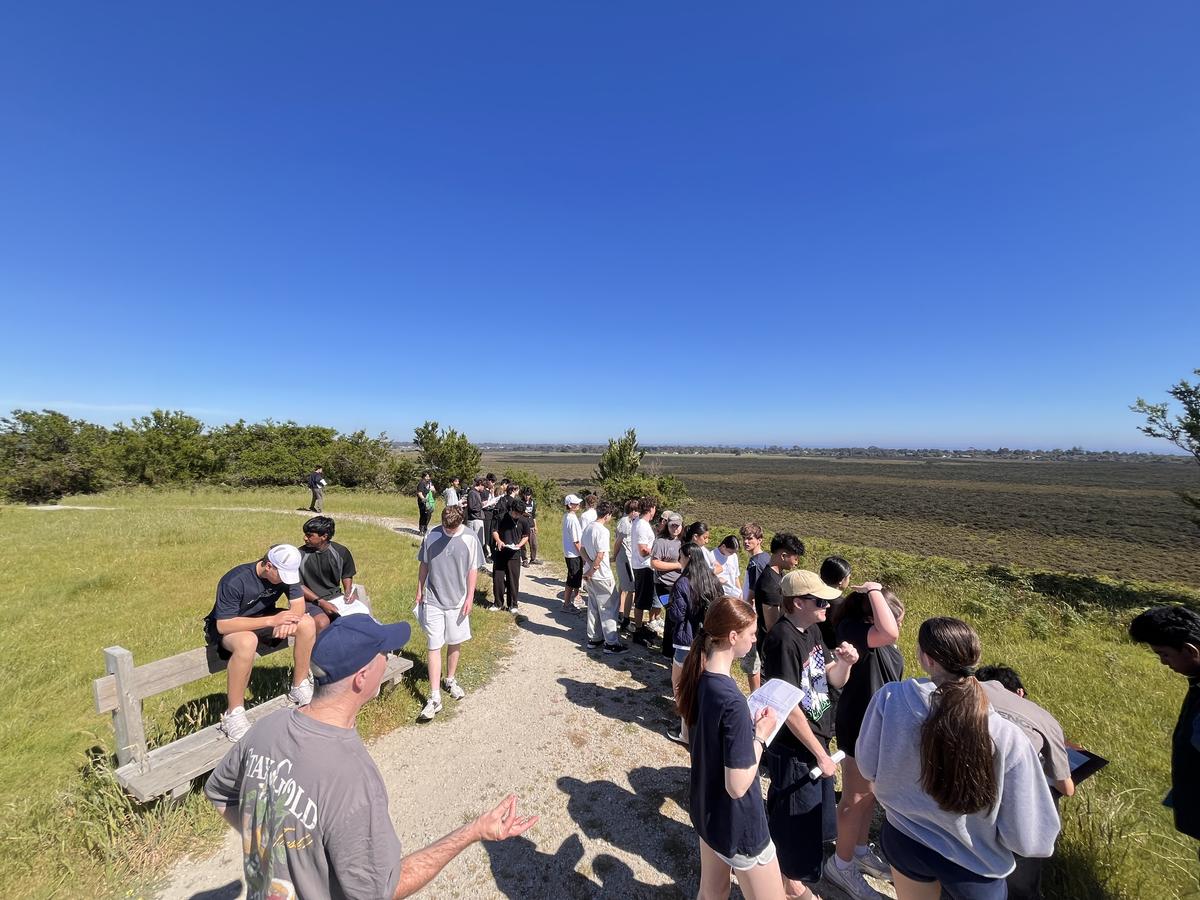
Upon returning to the classroom, students collated and analysed their field observations, environmental surveys, and visitor data. This information formed the basis of an in-depth class discussion examining the balance between the significant economic benefits tourism brings to the region and the ongoing challenges of habitat preservation, traffic congestion, and sustainable management.
Overall, the excursion provided students with invaluable practical experience in geographical inquiry, bringing their theoretical studies to life in a memorable setting.
Stephanie Poland
Geography Teacher
YEAR 9 HISTORY EXCURSION
NGV AND SHRINE OF REMEMBRANCE: WEDNESDAY 4 - FRIDAY 6 NOVEMBER
On Wednesday 14 November, the Year 9 History students left their school campuses and headed off to the city, where we would spend the day exploring artwork and artifacts from the time that we had learnt about.
First, we went to the NGV, where we appreciated the plethora of exhibitions about colonial Australia, from both Aboriginal and British perspectives. The main event was The Pioneer, an artwork by prolific Australian artist Frederick McCubbin. The masterpiece spanned across three panels and conveyed the promise of Australia to the early pioneers and the way that they made this new “wild” land their home.
Secondly, and in my personal opinion the most impactful, was the Shrine of Remembrance. We huddled outside its walls and were first struck by its grandeur, its giant stone walls rising up and standing solemn and testament to the sacrifice of so many Australians. Inside we discovered objects like a boat that was used in the landing of Gallipoli and the real Victoria Cross medal of an army veteran. These objects were so irrefutably compelling not because of their superficial appearance, but rather because of the significance we knew they had, not just to the museum or us, but to the people that had used or earned them in the Great Wars.
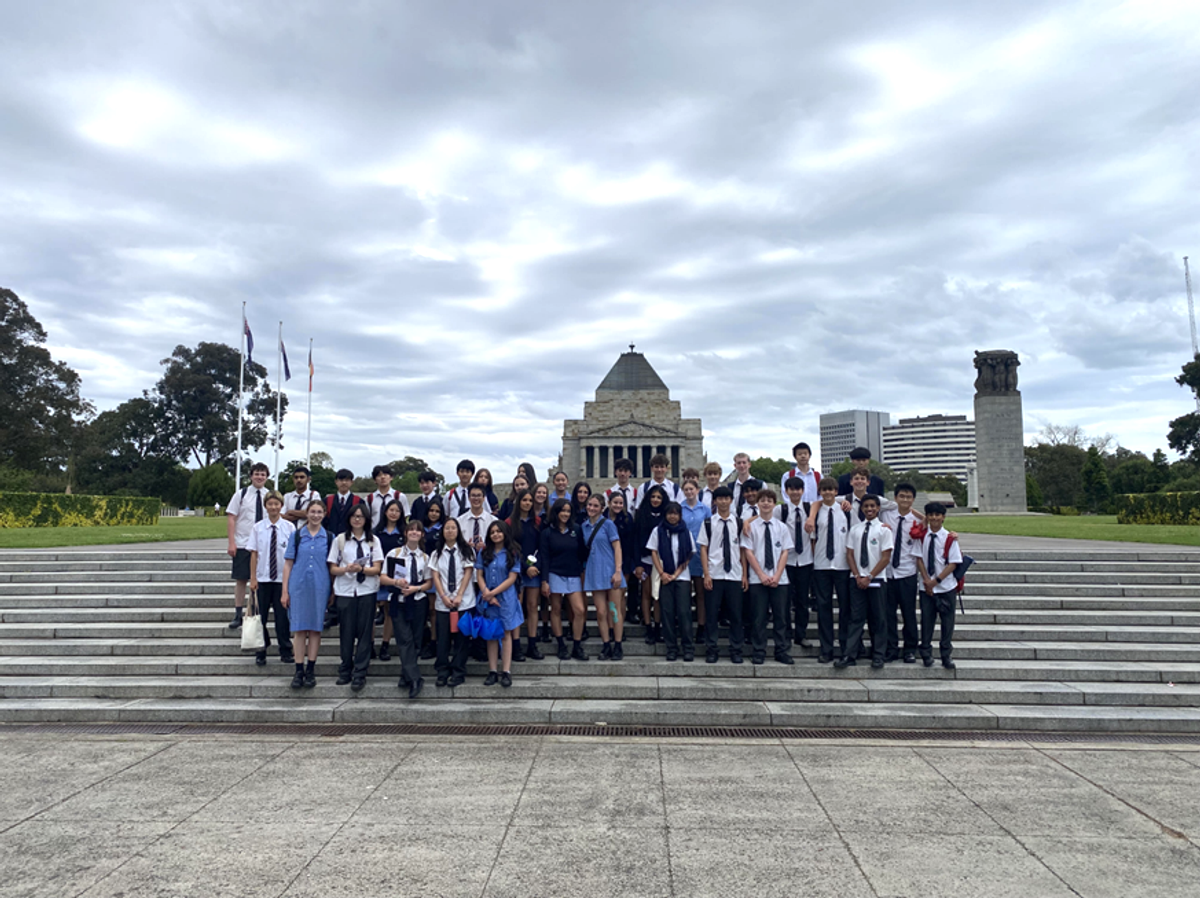
We also went to the crypts that held the colours (banners) of the ANZACs and up to the sanctuary, where every year the light shines on the Tomb of the Unknown Soldier for but five minutes of one day, Remembrance Day.
I feel that it was an excursion that provided us with tangible proof as to why history is significant and made us feel the weight of the history of Australia. Thank you very much Ms Carson and Mr Cukierman for organising the excursions for all the Year 9s, this truly was a special one!
Noam Miller, Year 9
On Wednesday 4 November, Year 9 History students set off on a trip to the Shrine of Remembrance and the National Gallery of Victoria. At the NGV, we saw many cool and interesting Aboriginal artworks, and other famous works like The Pioneer by Frederick McCubbin. During our Year 9 History classes, we have been learning about the colonisation and federation of Australia, which I'm sure we have all thoroughly enjoyed.
We then made our way to the Shrine of Remembrance, where we first watched a short film about the creation of the Shrine and then looked at some fascinating pieces of history, like the Crypt, which was a place for every AIF group in the 1st World War and all their Guidons (flags); the Sanctuary, which had many floral wreaths set around the plaque that read “greater love hath no man"; and an actual boat that the Anzacs used during their dawn landing at Gallipoli.
We had also learned that in the Sanctuary, while building the Shrine, the engineers made light shine right onto the plaque at 11:00am on Wednesday 11 November every year (Remembrance Day).
Overall, it was a very fun excursion; everyone had enjoyed it, including myself. We all thought it was a great opportunity to see these historical pieces of artwork and memorabilia.
A big thank you to Ms Carson and Mr Cukierman for organising the excursions for all the Year 9s.
Jack Alvarado, Year 9