
WELLBEING

THIS MONTH ON SCHOOLTV - NEURODIVERSITY
Neurodiversity emphasises the natural variation in how an individual’s brain functions and how they perceive and interact with the world, leading to diverse ways of learning and communicating. While most young people are neurotypical, some exhibit variations in brain development, such as ADHD, autism or dyslexia, making them neurodivergent.
Embracing neurodiversity involves accepting, celebrating, and supporting neurodivergent children and adolescents without attempting to change or treat their differences. Using respectful language, challenging unhelpful attitudes, avoiding assumptions, and actively promoting inclusivity can help embrace neurodiversity effectively.
Acknowledging the unique ways neurodiverse young people do things and then adapting tasks and activities to ensure their full participation will encourage them to develop strategies that feel natural to them. It will help improve their mental health, wellbeing and sense of self. By recognising and nurturing their strengths, parents and caregivers can contribute to building an inclusive and compassionate society where all young people can thrive.
Learning more about neurodiversity, equips caregivers with insights into effective communication techniques, educational strategies, and parenting approaches tailored to the specific needs of their neurodivergent child.
We hope you take time to reflect on the information offered in this month’s edition, and we always welcome your feedback.
Here is the link to this month's edition https://mckinnonsc.vic.schooltv.me/newsletter/neurodiversity
If you do have any concerns about the wellbeing of your child, please contact Student Wellbeing at wellbeing@mckinnonsc.vic.edu.au for further information or seek medical or professional help.
CHILD SAFETY
Our school cares about the safety and wellbeing of our students and their families.
Sometimes things at home or in a relationship are not OK or families can be worried about the wellbeing of their children or young people.
The Orange Door can help you to get the support you need, quickly and easily. It’s free and you don’t need a referral.
THE ORANGE DOOR
The Orange Door can help families. They provide support for concerns with parenting, relationships, and family violence.
The Orange Door is a free intake and assessment service for:
families requiring support for their child or young person’s wellbeing or development · families needing parenting support
young, isolated, or unsupported families
individuals and families experiencing family violence
adults using family violence
young people using violence in the home
If you contact The Orange Door, they can help by:
working with you to identify the help and support you need
supporting you with the wellbeing and development of your child or young person · helping you make a safety plan if someone is making you feel unsafe
connecting you to services that can help like counselling, accommodation, mental health and drug and alcohol services, parenting support groups, services for children, financial help, or legal assistance
supporting you to access funding for basic living expenses and some other costs · supporting you to change abusive or controlling behaviour.
Each Orange Door location across Victoria has their own phone number and email. Students and their families can also visit their local Orange Door in person for support, Monday to Friday, 9am - 5pm for support. No appointment is needed.
To find your local service, see: The Orange Door – Support near you.
How schools connect with The Orange Door
Our school might talk to a student and/or their family about The Orange Door. We might encourage them to contact their local Orange Door to get advice and help if needed.
Ideally, a student and/or their family will get in touch with The Orange Door to seek advice and support.
Sometimes, schools might make a referral to The Orange Door without the student or their family’s knowledge or consent. Schools will do this if:
informing a student and/or family increases the risk to their safety or wellbeing
not linking a student to support increases the risk of their safety and wellbeing
You can learn more about: ·
The Orange Door and how they can help you and your family here.
Child safety in Victorian schools is a collective responsibility, and at McKinnon Secondary College, we have two dedicated Child Safety Officers who provide support, expertise and guidance on child safety policies and practices for staff, students and families. They act as key points of contact for child safety concerns and support a strong culture of child safety and wellbeing across our school, in line with Ministerial Order 1359.
MCKINNON SECONDARY COLLEGE CHILD SAFETY OFFICERS
Our Child Safety Officers are:
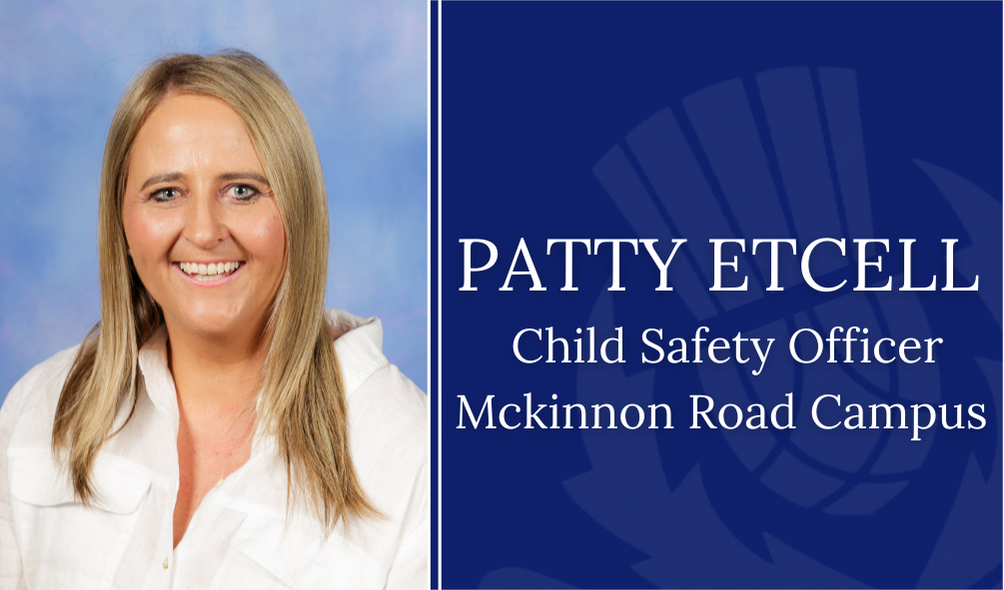
McKinnon Road Campus – Patty Etcell
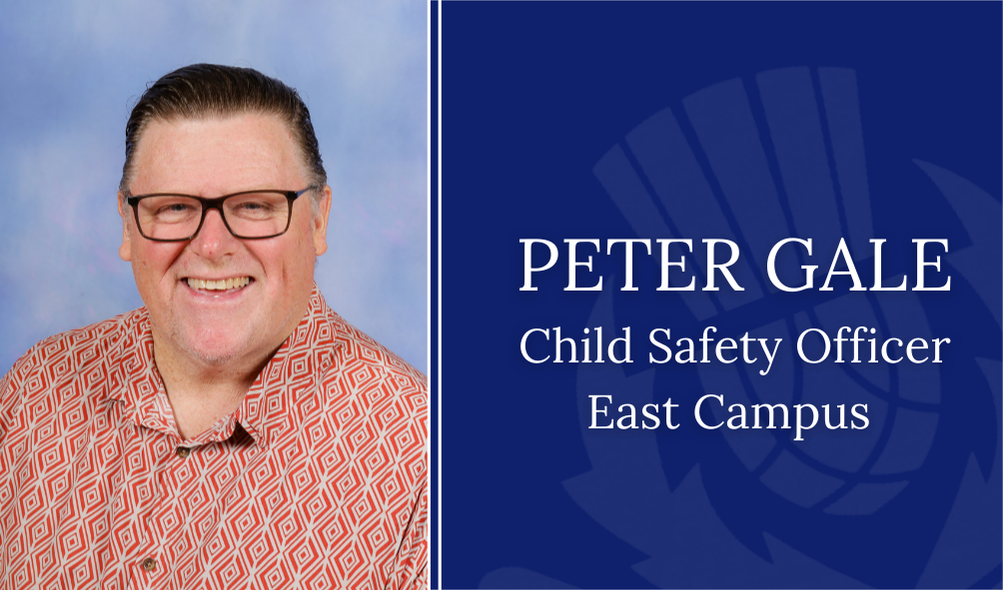
East Campus – Peter Gale
Our Child Safety Officers can be contacted during school hours on (03) 8520 9000, or via email at pattye@mckinnonsc.vic.edu.au or peterg@mckinnonsc.vic.edu.au.
For more information on our Child Safety and Wellbeing Policy, please click here.
Patty Etcell
Head of Wellbeing