
VISUAL ARTS
YEAR 12 MEDIA REFLECTIONS: UNIT 3 FOLIO
Over the course of Term 2, the Year 12 Media students completed their VCE Unit 3 with the first half of their school-assessed taskwork (SAT), a folio documenting their process in creating a media product of their choice. Students were able to choose from a range of media forms, such as film, animation, radio, graphic novels, photography, print and more. As the final SAT is worth 40% of the total Media study score, students rigorously worked on perfecting each of the eight criteria.
The SAT for Unit 3 is divided into two Areas of Study with two criteria each. The first Area of Study focused on the development stage. In Criterion 1, students analysed media products from different forms to create informed decisions about what skills, codes and conventions they want to replicate in their product. They then undertook experiments in Criterion 2 to refine their knowledge of skills and techniques they intend to execute in their final product, with the use of equipment and editing suite provided by the school.
The second Area of Study encompassed Criteria 3 and 4, where students began their pre-production. In Criterion 3, students wrote various specified intention statements to inform how they would best effectively implement their ideas. Criterion 4 saw students complete the pre-production stage, with the creation of screenplays, storyboards and mockups, schedules and more, as well as booking out any equipment to borrow from the school.
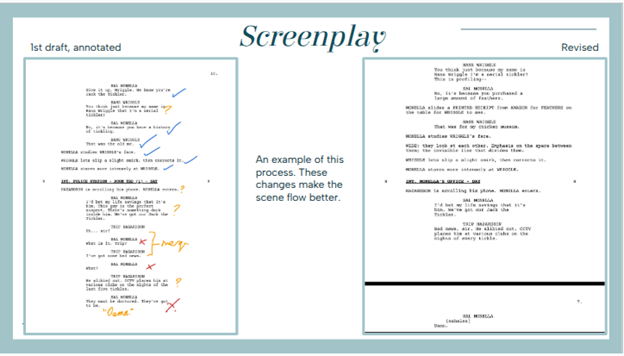
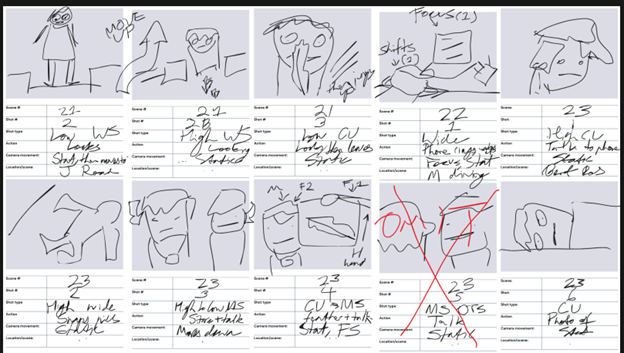
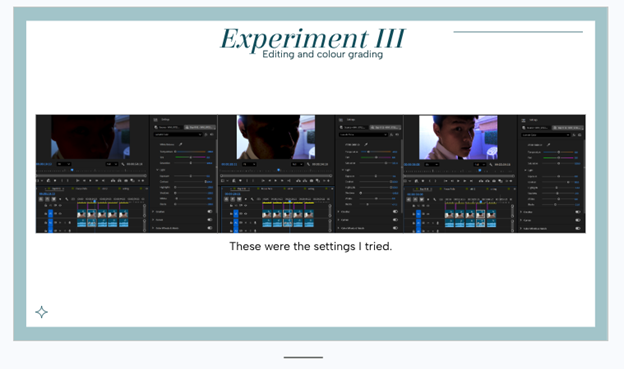
In the next stages of the project, I am excited to begin production with my friends, as well as see my vision realised and receive specific feedback from my peers on how to make it the best version it can be. The final products will be showcased at the VCE Media Night in Term 4.
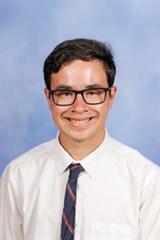
Matthew Shelley
Year 12 Student
YEAR 12 MEDIA FOLIO REFLECTION: MAKING AN ANIMATION
Within the first part of the folio, I had to research the media codes and conventions of the selected media ranging from short films to videogames. This was to analyse what was effective and how I would incorporate my findings to create my own animated short film, Star Zip.
The next step in the process was to conduct some experiments either to refine my existing skills or to consider if the proposed method was going to be efficient for my animation. The first experiment was to create an animation sequence of an action sequence. I already have had some previous experience in animation however I needed to practice before making the product to gain more confidence.
Another experiment was to test the capabilities of the animation program Blender and to experiment with the combination of 2D animation and a 3D environment. I want my animation to have dynamic camera shots that would be best achieved with a 3D camera and would be less time consuming than to animate it by hand.
To establish the foundation of my animation, I created storyboards and a script. I also created an animatic to further demonstrate my plans made in the storyboards, but in video form. This allowed me to observe what to add and omit in order to create the film before the deadline. Furthermore, I made some concept art of the backgrounds and the characters to illustrate what the final product would be expected to look like. Creating a reference sheet allows me to keep the proportions consistent within each scene.
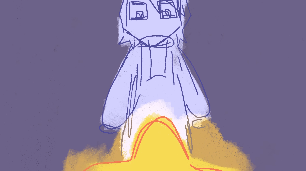
Overall, I am extremely excited to proceed in the production stage and create Star Zip. I already started to animate some of the scenes over the weekend and completed animating one already. I’m really looking forward to making my idea come to life.
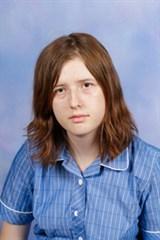
Rufina Zubareva
Year 12 Student
ARTIST ON THE RISE: CHARMAINE LEE
Charmaine Lee, a Year 11 student, recently completed a charcoal portrait for Unit 1 Art Making. In this area of study students were exposed to various materials and techniques including utilising mediums such as willow and compressed charcoal.
In her art, Charmaine explores both structural and personal lens, emphasising the balance between intense contrast and soft, delicate shading. A significant theme in her work is the use of expression, capturing both senses of innocence and vulnerability in her drawing. Her piece is a stunning charcoal study of Elle Fanning, depicted with incredible precision and a seamless transition from the subject's face into dark background textures.
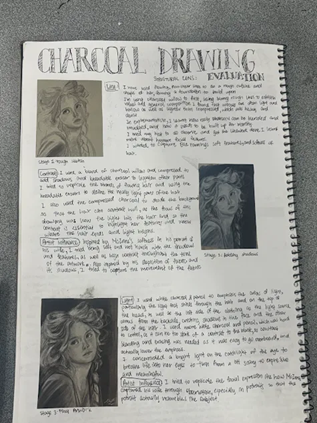
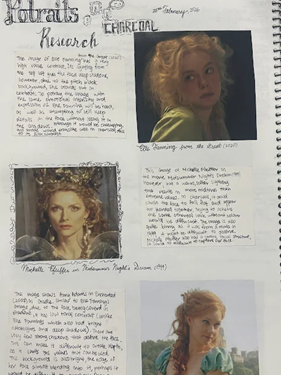
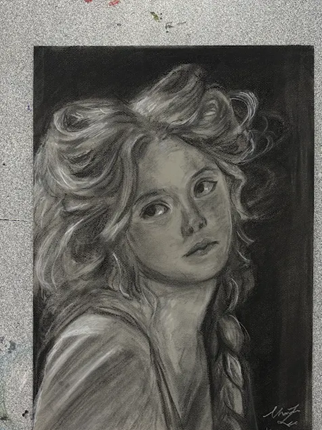
In this piece, her attention to detail is amazing, especially the rendering of hair and realistic draping of fabric. She showcases a level of skill well beyond her years.
Adele Vasserman
Year 11 Student
YEAR 7 ARTWORK
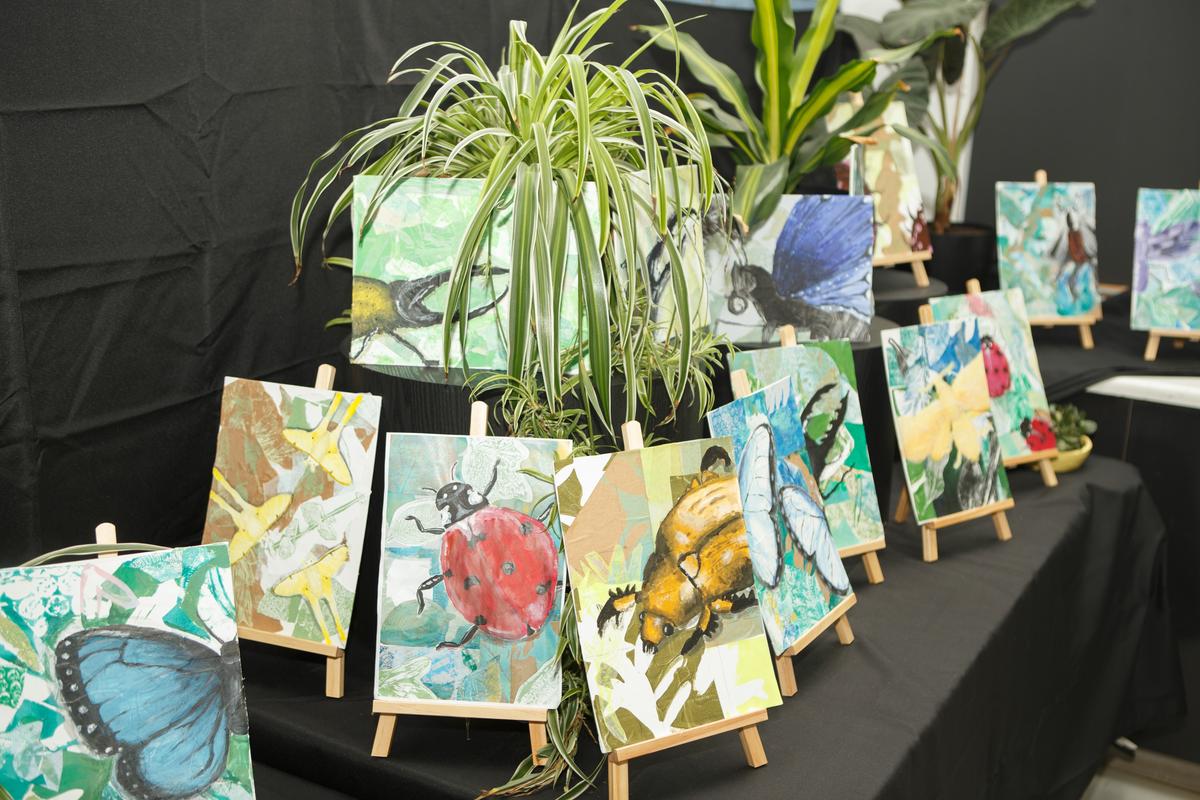
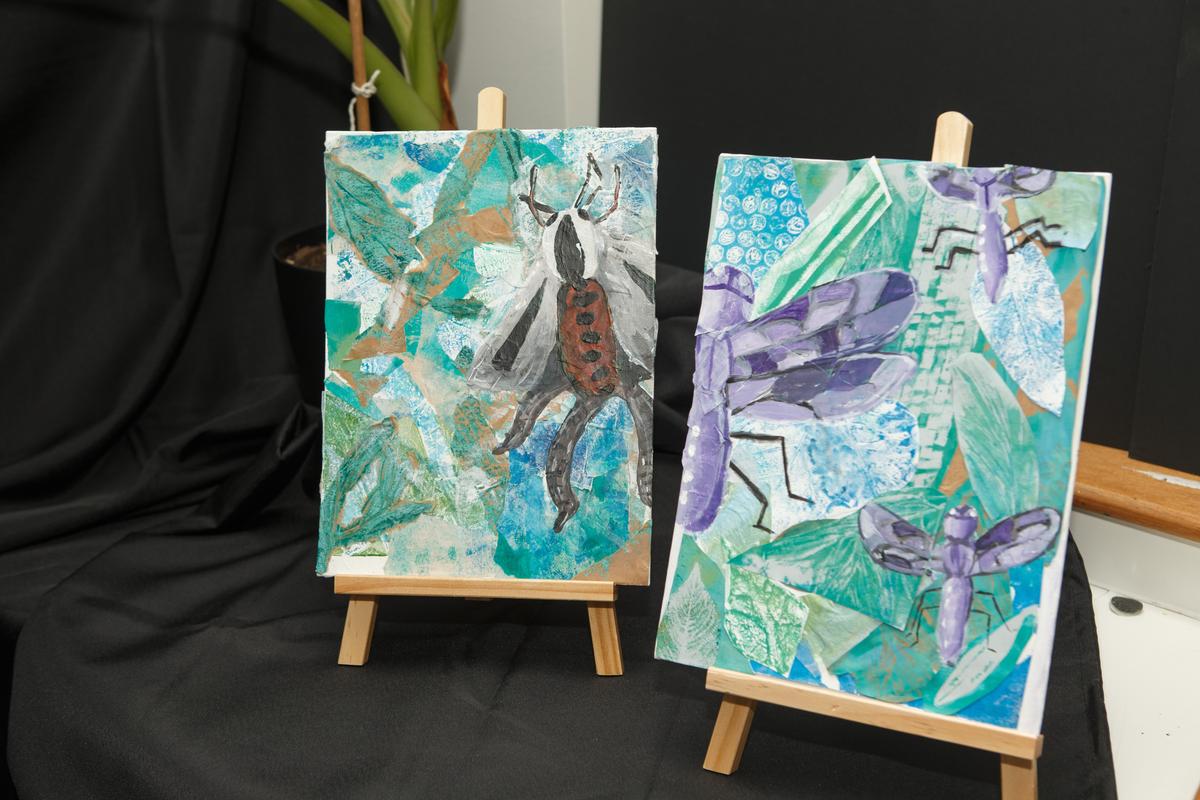
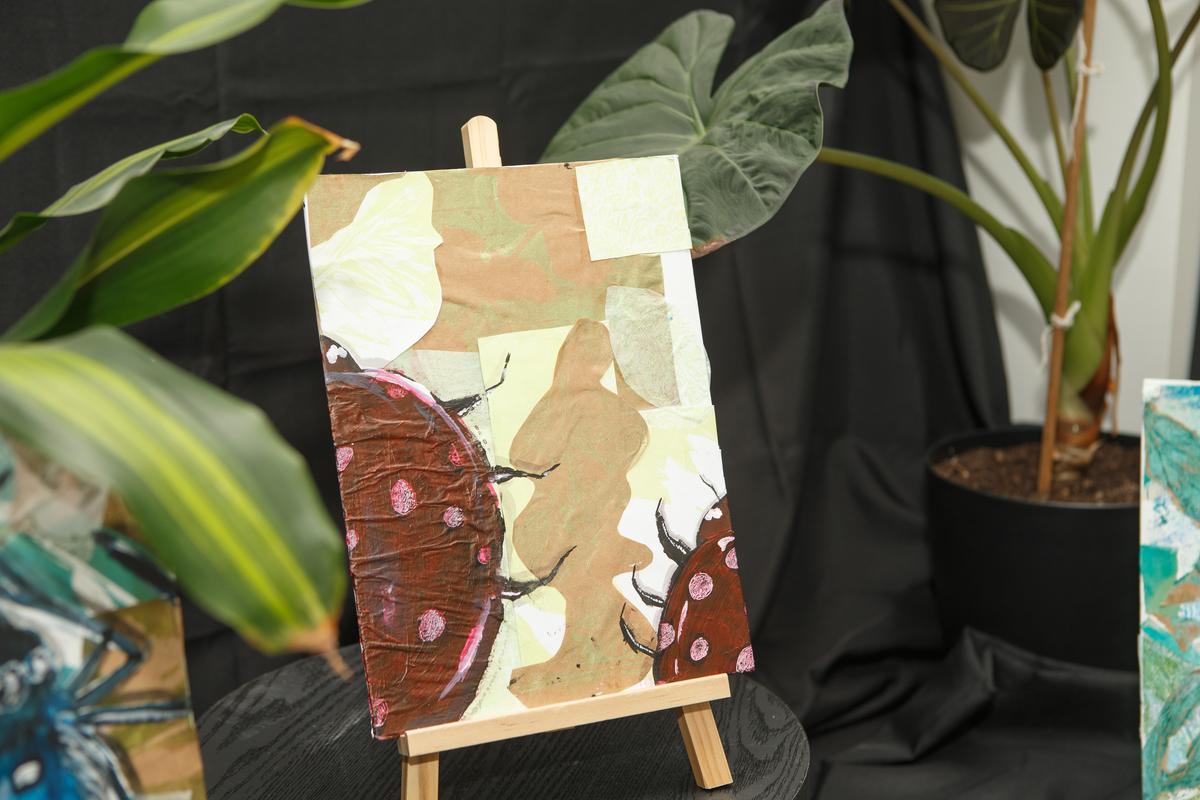
Our incredibly talented Year 7 students have been diving deep into their monochromatic painting learning task, and the results are absolutely stunning.
Limiting their palettes didn't limit their creativity. Students explored a vast range of painting techniques to bring texture, depth, and life to their compositions. They experimented with:
Tints & Shades: Mastering value scales to create highlights and deep shadows.
Sgraffito: Scratching through layers of wet paint to reveal hidden details beneath.
Scumbling: Layering dry, opaque brushstrokes to build up beautiful, textured surfaces.
Glazing: Applying translucent layers to create a luminous, glowing effect.
Beyond technical paint application, they also focused heavily on dynamic compositional techniques, playing with scale, cropping, and negative space to make their subjects leap off the page!
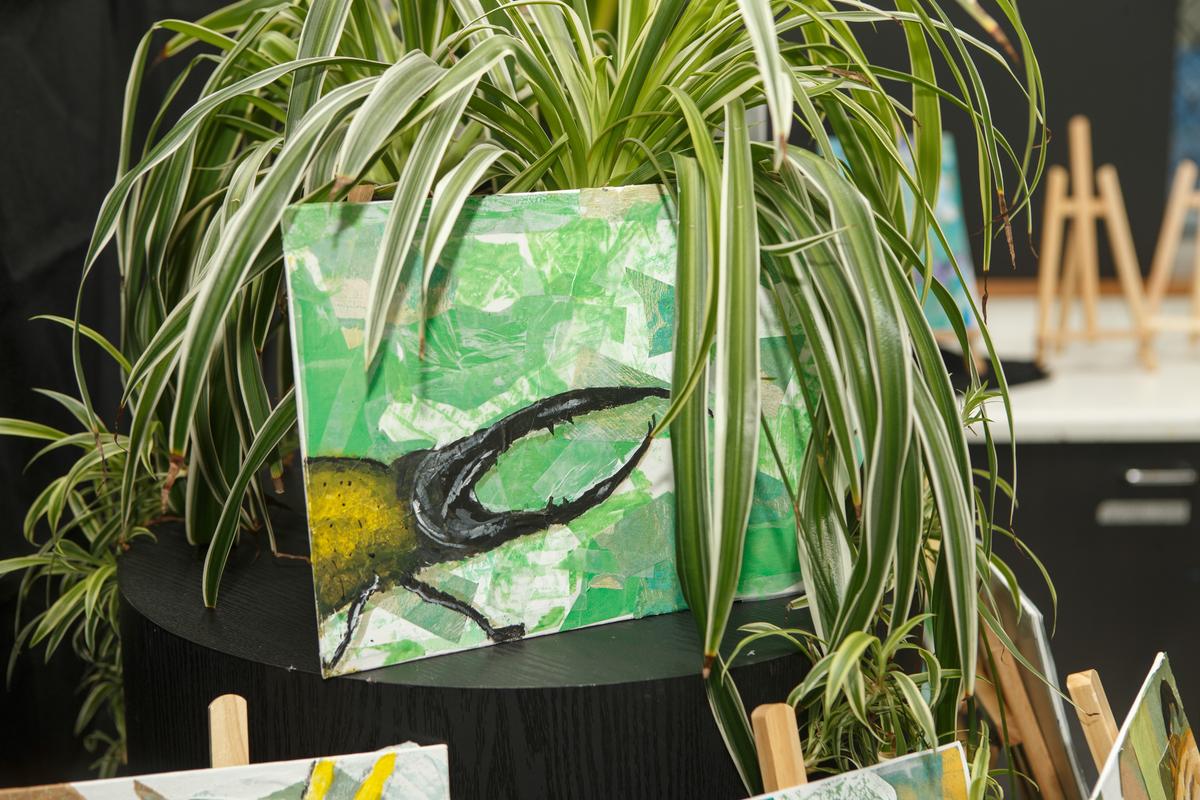
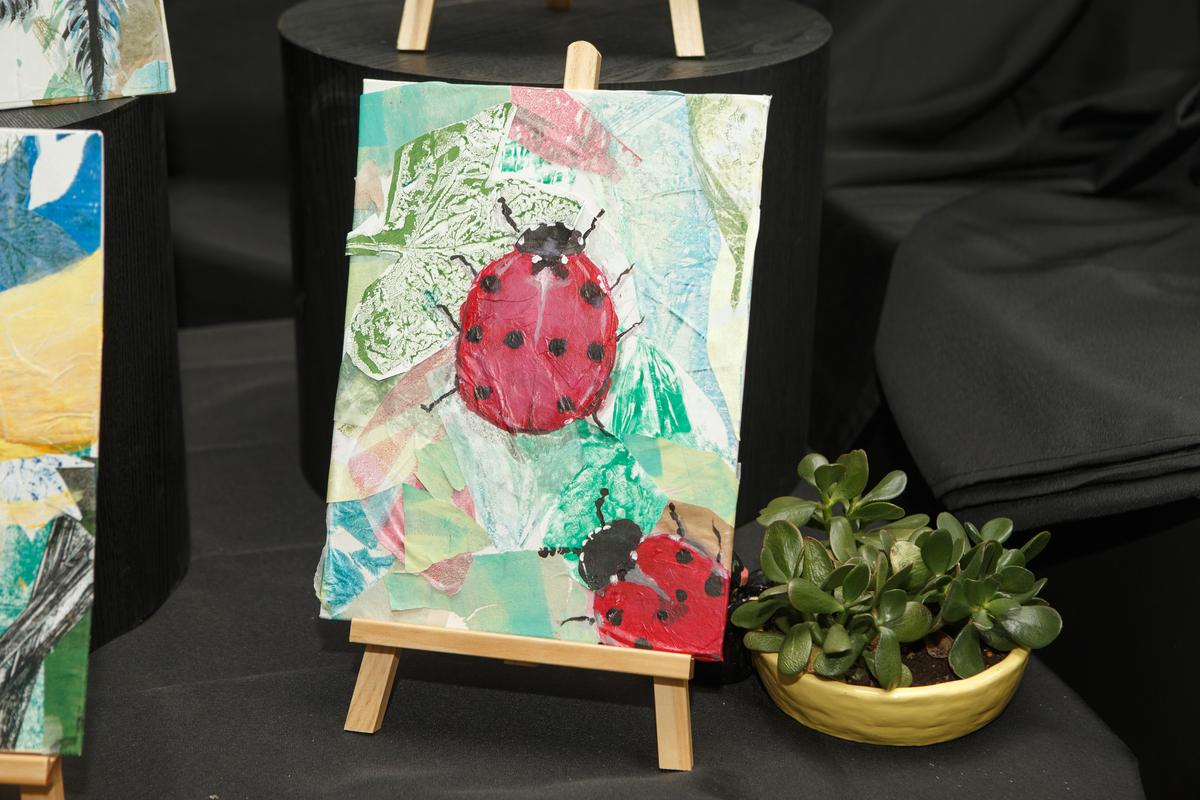
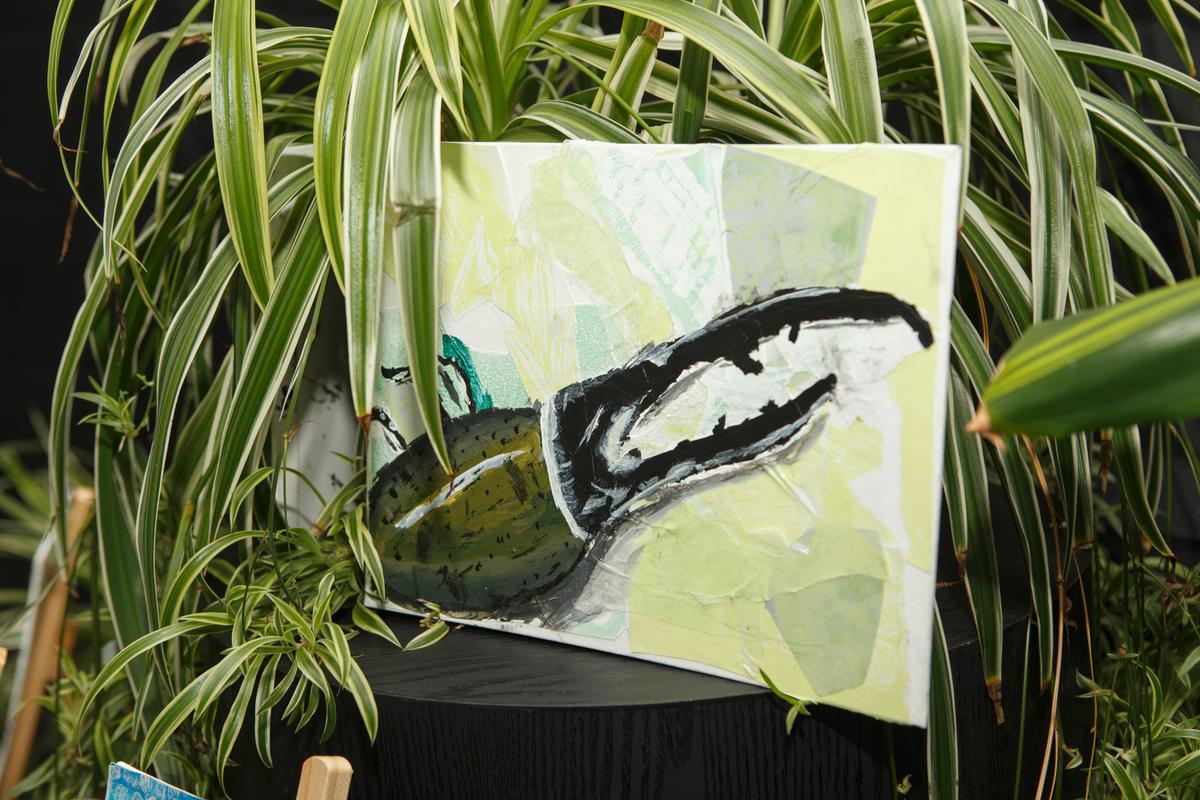
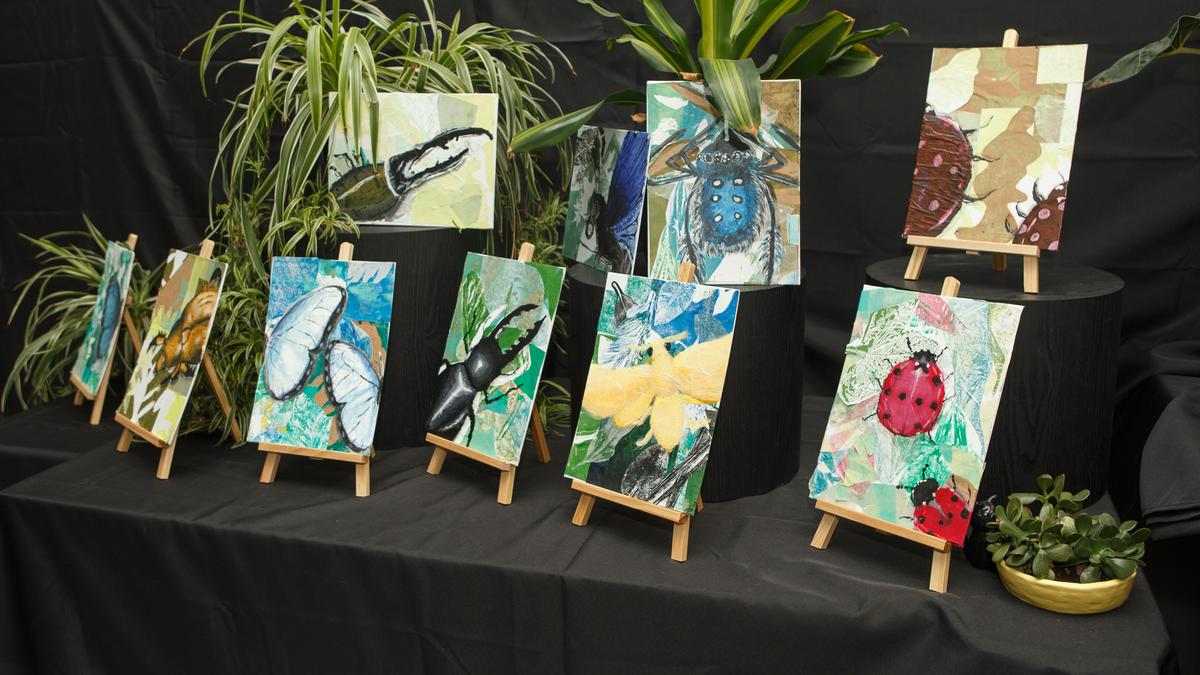
Swipe through to see some of these phenomenal student works featured.
Kirsty Soos
Visual Arts Teacher