
SCIENCE
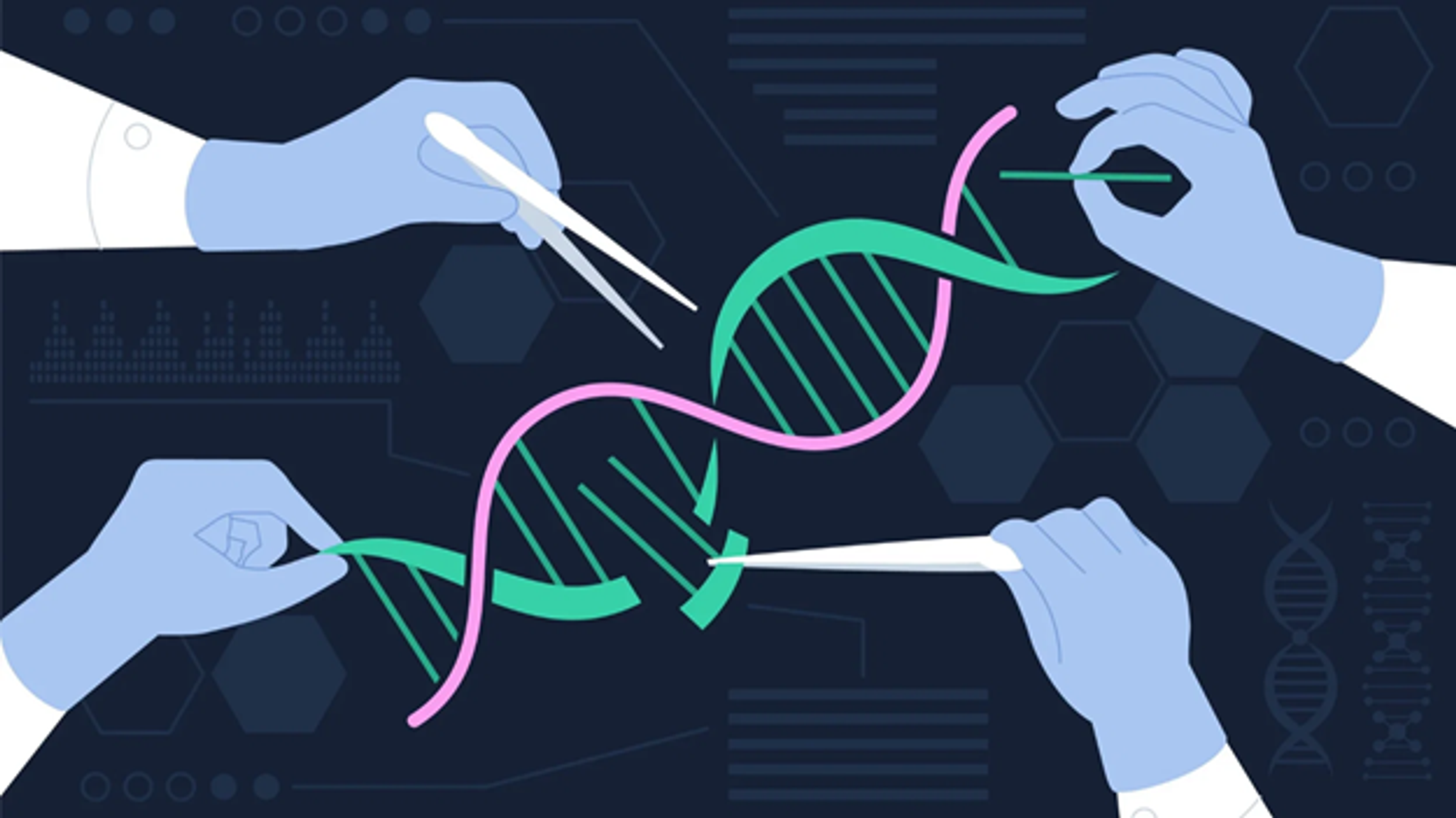
SCIENCE SNAPSHOT: Big Discoveries and Events over the School Holidays
Welcome back all students, parents and staff to another term at McKinnon, and we hope you are all excited for another great few months in Science.
At McKinnon, we try to showcase as many engaging and relevant events happening in the wider science community, so in case you missed it, here are some of the wondrous events/discoveries across space, medicine and genetics, that took place during our recent school holidays.
1. ARTEMIS II: HUMANS RETURN TO DEEP SPACE (DEEP DIVE)
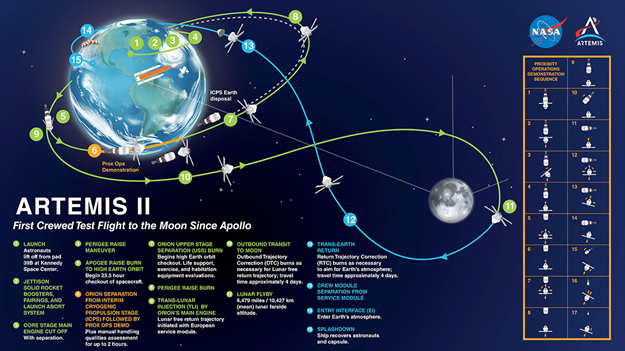
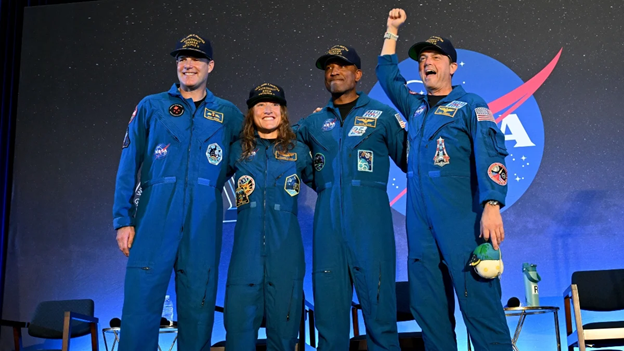
The biggest story comes from NASA’s Artemis II mission, which launched on Wednesday 1 April 2026, sending astronauts around the Moon for the first time since 1972. Travelling aboard the Orion spacecraft, the crew completed a 10-day journey before safely returning to Earth on Friday 10 April 2026.
Although the mission did not land on the Moon, it was a crucial step forward. Scientists monitored life support systems, navigation, and the spacecraft’s heat shield during re-entry. The successful return confirmed that humans can once again travel long distances in deep space with reliable technology.
This mission is important because it paves the way for future Moon landings and eventual missions to Mars. It also provided valuable data on how the human body responds to deep space conditions, along with new images of Earth from beyond the Moon. Artemis II represents a major milestone in the next era of space exploration.

2. GENE DISCOVERY THAT MAY HELP THE BRAIN REPAIR ITSELF
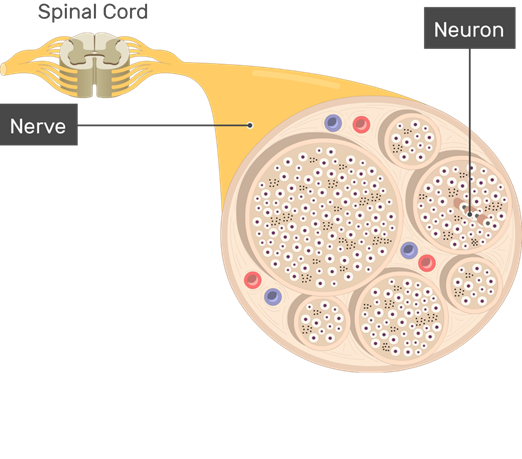
On Wednesday 15 April 2026, researchers announced a discovery that could change how we treat neurological conditions. Scientists identified a gene linked to repairing the myelin sheath, the protective layer around nerve cells that helps signals travel efficiently through the brain.
Damage to myelin is associated with conditions such as multiple sclerosis and other nerve disorders. This new finding suggests that the body may have natural mechanisms to repair this damage, which scientists could potentially replicate in future treatments.
This is an exciting development because it focuses on repairing the brain rather than simply managing symptoms. However, the research is still in early stages, and further testing is needed before it can be applied to humans.
Want to read more? See this article
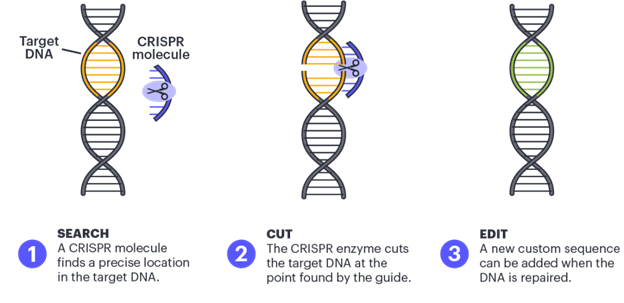
3. GENE EDITING ADVANCES WITH CRISPR
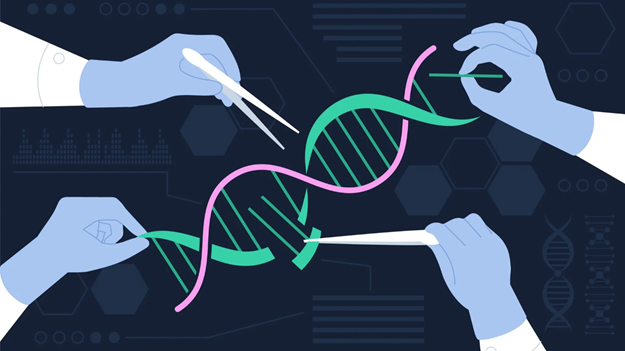
Another major development came on Saturday 18 April 2026, when scientists announced improvements to CRISPR technology. The new method significantly reduces “off target” effects, where unintended sections of DNA are accidentally altered.
This is a major step forward because CRISPR has the potential to treat genetic disorders by directly correcting faulty genes. Conditions such as inherited diseases and some cancers could one day be treated at their source.
Improving accuracy is essential before these treatments can be widely used in humans, and this advancement brings researchers closer to making gene editing a safe and reliable medical tool.
In addition, our Year 12 Biology students learn about CRISPR in their VCE Biology studies.
What a great way to see this content in action!
Want to read more? See this article
4. CHEAPER CATALYST COULD BOOST CLEAN HYDROGEN ENERGY
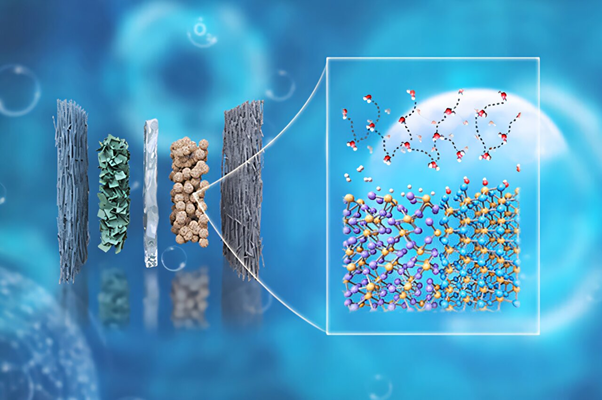
On Thursday 16 April 2026, scientists reported a breakthrough in green hydrogen production by developing a platinum-free catalyst that can efficiently split water into hydrogen and oxygen.
Traditionally, this process relies on platinum, a rare and expensive metal. The new catalyst uses cheaper, more abundant materials while still performing at a high level and remaining stable under industrial conditions.
This is important because hydrogen is a clean fuel that produces only water when used.
Making it cheaper to produce could help reduce carbon emissions, particularly in industries like transport and manufacturing that are difficult to electrify.
While the discovery is promising, it still needs to be tested on a larger scale before widespread use.
Want to read more? See this article
Wishing everyone a productive, fun and successful Term 2.
Katherine Johnstone
Head of Science